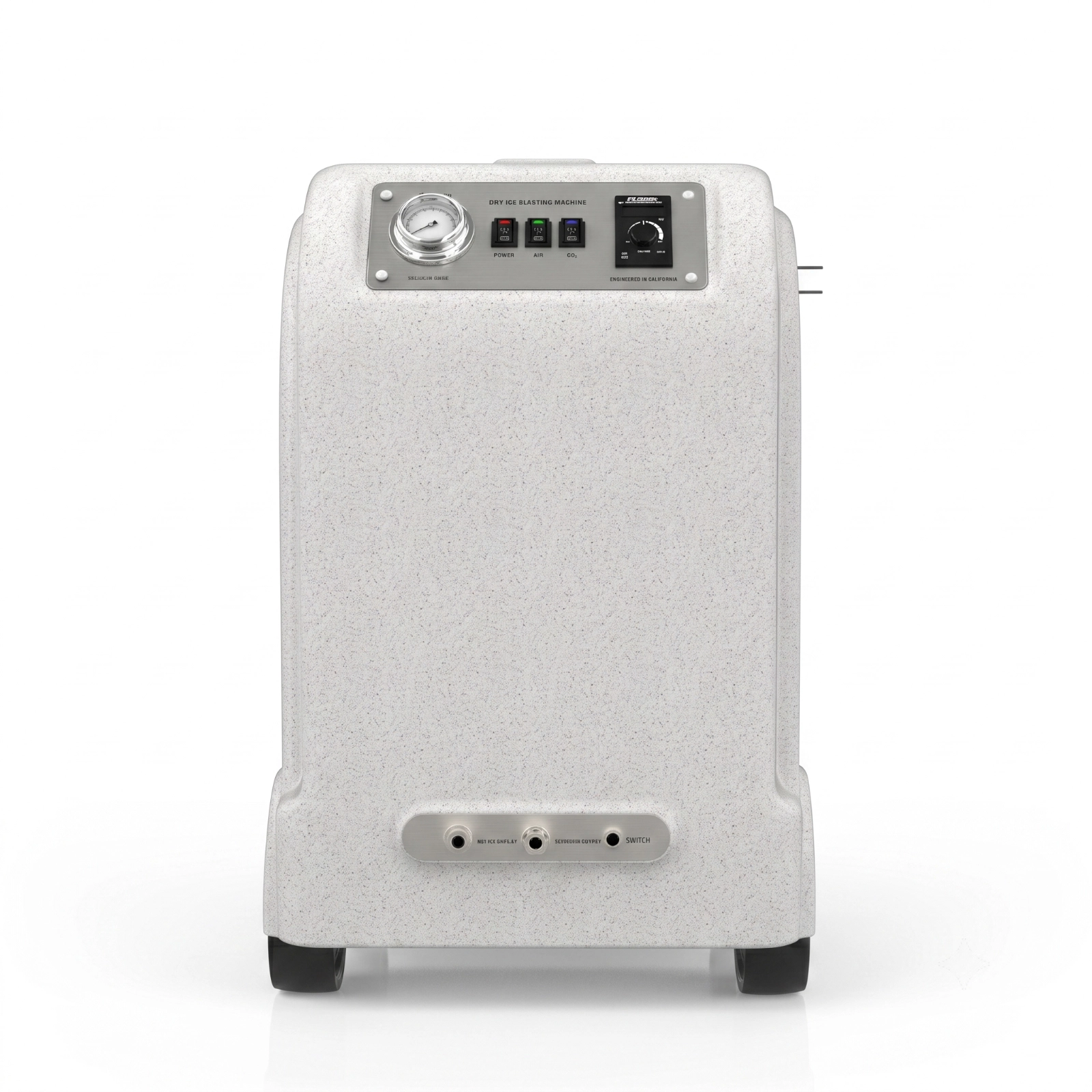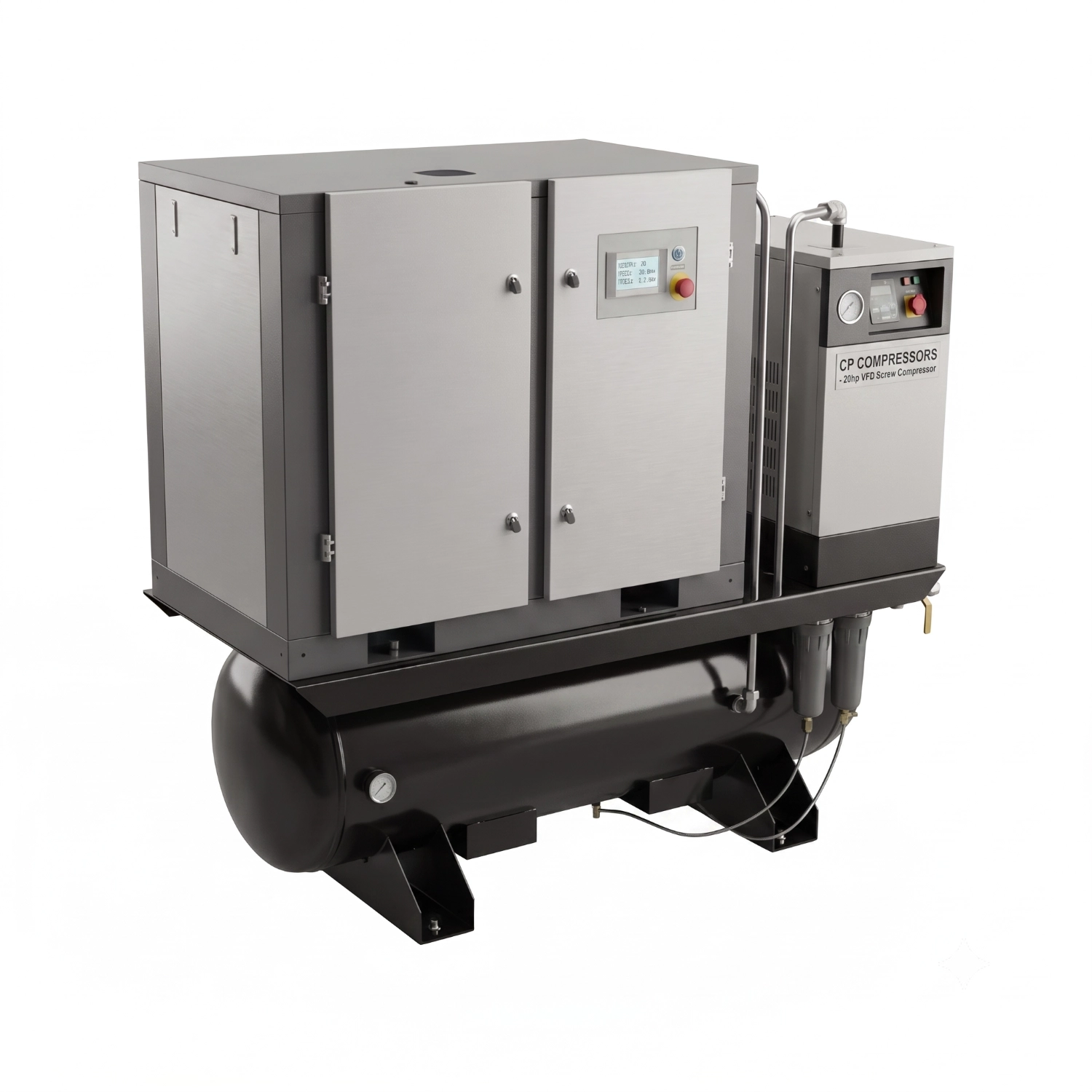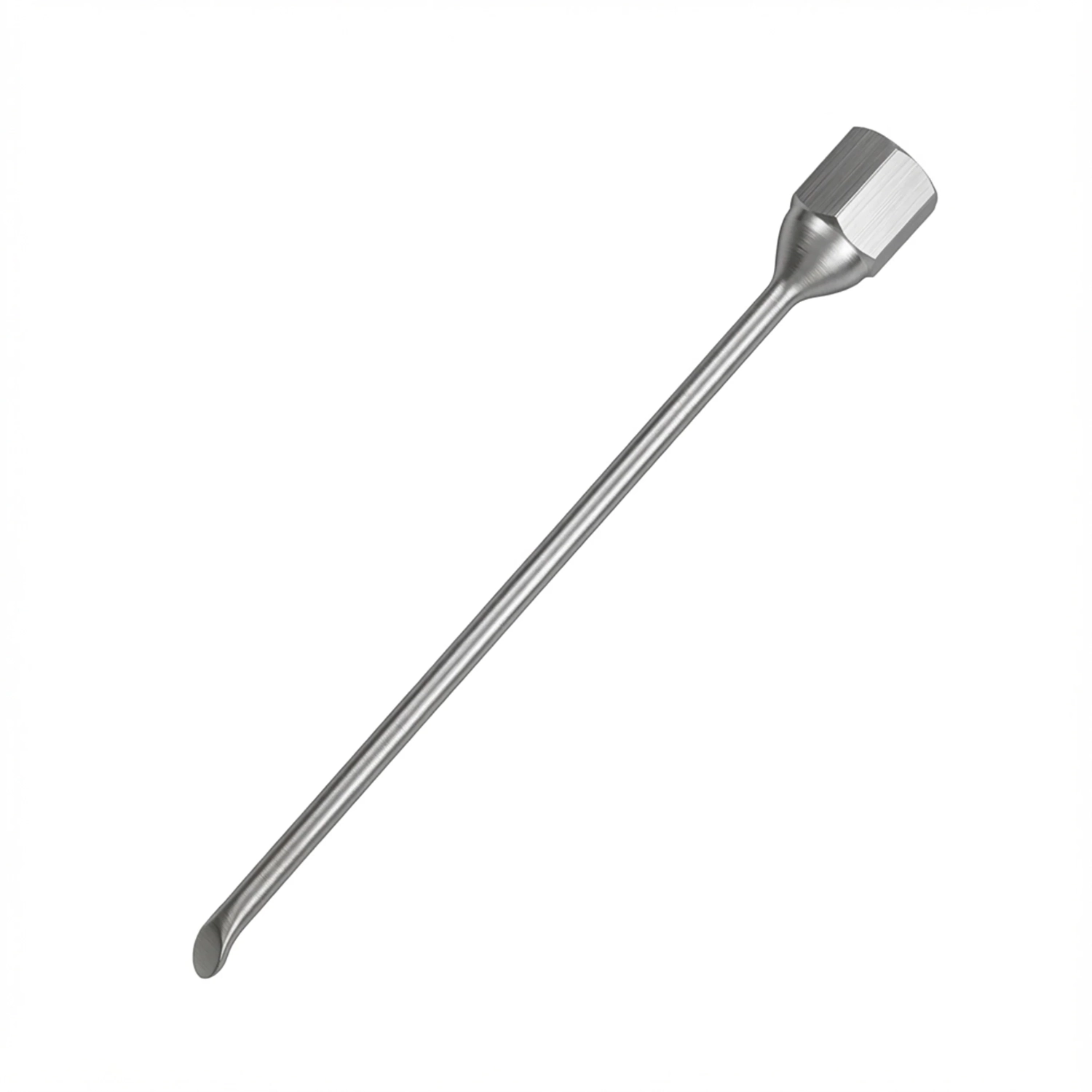
What operating case should be defined for Dry Ice Airflow, Pressure and Nozzle Configuration?
Measure available flow at operating pressure and identify other plant users. Record hose route, connection size, dryer condition, receiver volume, and the cleaning pattern required.
- Existing plant compressor evaluation
- Dedicated mobile compressor selection
- Long-hose or high-access work
- Changing from broad cleaning to focused impact
What selection data is required for Dry Ice Airflow, Pressure and Nozzle Configuration?
For dry ice airflow, pressure and nozzle configuration, take values from the installed equipment, nameplate, drawings, or a measurement. Mark any unconfirmed input as pending.
- Delivered CFM at operating PSI
- Compressor duty, receiver, dryer, and filters
- Connection and hose inside diameter
- Hose length and number of restrictions
- Nozzle geometry and pellet feed rate
How should Dry Ice Airflow, Pressure and Nozzle Configuration options be compared?
Use the airflow available at the required pressure, not free-air displacement or motor horsepower.
| Situation | Option to review | Confirm before selection |
|---|---|---|
| Short intermittent work | Existing plant air | Measured spare CFM and recovery |
| Regular production cleaning | Dedicated air package | Continuous delivery, dryer, receiver |
| Long hose route | Larger loss allowance | Pressure at gun and nozzle |
| Focused heavy deposit | Focused nozzle review | Surface risk and air demand |
What compatibility limits must be checked?
The compressor package must supply clean, dry air within the blaster range after all system losses.
- Reading only the compressor nameplate CFM
- Ignoring simultaneous plant demand
- Using wet air that causes pellet blockage
- Increasing pressure without checking component ratings
What should a quotation request include?
Send these items together so the review of dry ice airflow, pressure and nozzle configuration can separate the main product, compatibility, accessories, documents, and freight.
- Compressor make, model, pressure, and flow curve
- Dryer, receiver, filter, and connection details
- Hose lengths and elevations
- Target nozzle and application
- Number of simultaneous machines
What commercial scope must be confirmed?
Confirm machine interfaces, pressure ratings, pellet passage, seals, hose reach, and spare quantities. Record these points for dry ice airflow, pressure and nozzle configuration.
- Quoted configuration for dry ice airflow, pressure and nozzle configuration
- Confirmed technical input: Delivered CFM at operating PSI
- Acceptance check: Measured spare CFM and recovery
- Delivery scope: Number of simultaneous machines
- Applicable warranty, consumables, and wear-item exclusions